
You win some and you lose some.
In the double portion, Nitzavim-Vayelech, God acknowledges this. As He is reminding the nation of their covenant together - you know the one where He is their only God and they don't worship any others - He outs the folks who will think they're an exception. "Perhaps there is among you a stock sprouting poisonous weed" thinking they can get away with idol worship. But God will show them, He will literally wash away those seedlings, raining down all kinds of punishment on the person and on the land. "All the soil will be devastated by sulfur and salt, beyond sowing and producing" - people will wonder what happened to the earth there.

On the flip side, those who make an honest commitment to God, even if they sometimes mess up, will merit great reward "God will grant you abounding prosperity in all your undertakings, in the issue of your womb, the offspring of your cattle, and the produce of your soil." Instead of washout and devastation there will be terra firma and fruitfulness.

The message is apropos of this time of year when we're trying to get ourselves in a good book. A line in the portion is reminiscent of the high holiday liturgy; "concealed acts concern God, but for overt acts t is for us and our children to apply all the teachings [of the Torah]." It's so easy to want to judge others, to guess at intentions in all situations- but when it comes to matters of private life that really isn't our job. Our job is to keep ourselves in check. Just as texting and driving is dangerous, constant passing of judgement is distracting from living your own life.

The message is apropos of this time of year when we're trying to get ourselves in a good book. A line in the portion is reminiscent of the high holiday liturgy; "concealed acts concern God, but for overt acts t is for us and our children to apply all the teachings [of the Torah]." It's so easy to want to judge others, to guess at intentions in all situations- but when it comes to matters of private life that really isn't our job. Our job is to keep ourselves in check. Just as texting and driving is dangerous, constant passing of judgement is distracting from living your own life.

"God will grant you abounding prosperity in all your undertakings, in the issue of your womb, the offspring of your cattle, and the produce of your soil." The Jews of Cambridge are doing something right because the fruit of the womb is overflowing - in the last few weeks 2 boys and 2 girls have been born - Mazal Tov to all the new families. That leaves me to take care of the cattle offspring and the produce of the soil. With the chilly weather of late and the squash appearing at the farmers market I've been envisioning a tajine simmering in my crockpot. This month's Bon Appetit has just the thing - an inexpensive cut of meat like beef shoulder - with fruit of the vine and tree - tomatoes, chickpeas and apricots.


And in honor of Rosh Hashana I want to share my grandmother's apple dessert recipe (not quite a cake) which she called "A bit more" (since that's what everyone always wanted after their first serving). I think the names ties in well with our portions, and with the effort that this holiday season demands of us on a physical and spiritual level. Following that recipe is my menu plan for Rosh Hashana.
Meat Tajine with Chickpeas and Apricots
Adapted from Bon Appetit, October 2011
The recipe calls for an inexpensive cut of meat like lamb shoulder, which will become soft with long low cooking. Choose an inexpensive cut that is widely available in your area. This dish goes well over couscous or quinoa.
3/4 cup dried or canned chickpeas
5 garlic cloves
1 cinnamon stick
2 tbsp olive oil
3 lb 1 inch cubed meat
Salt and pepper
1 large onion, diced
1 tsp coriander
1 tsp cumin
1 tsp paprika
1/2 tsp cinnamon
1/2 tsp ginger
1/2 tsp turmeric
1/2 tsp cardamom
1 tbsp chopped peeled fresh ginger
1 cup canned diced tomatoes with juice
2.5 cups stock or water
1/2 cup dried apricots
Soak the chickpeas overnight in water that covers them by 2 inches.
Turn a crockpot onto high, add 1 tbsp olive oil and brown the meat in the crockpot.
Meanwhile saute the onions in 1 tbsp of olive oil in a frying pan over medium high heat. Season with salt and pepper as they cook - after 5 minutes they should be olden brown and done. In the last minute add 1 clove of crushed garlic, coriander, cumin, paprika, cinnamon, ginger, turmeric, cardamom and fresh ginger.
Put the onions and spices into the crockpot. Also add the chickpeas, water or stock, rest of the garlic cloves, cinnamon stick, tomatoes and dried apricots. Cook on medium for 8-12 hours.
Serve over couscous and enjoy.
Attributed to my maternal grandmother, Noelle Cadle Swart. Serves 4-6.
1 egg beaten slightly
5 tablespoons of flour
1 ½ tsp baking powder
1/3 cup walnuts
1/3 cup walnuts
1/8 tsp salt
1 1/2 tsp vanilla
1 1/2 tsp vanilla
2 baking apples
1/2 cup of sugar
Sift dry ingredients, mix them in to the slightly beaten egg. Mixture will be thick and ribbon-like when poured.
1/2 cup of sugar
Sift dry ingredients, mix them in to the slightly beaten egg. Mixture will be thick and ribbon-like when poured.
Peel and slice apples thinly and then arrange them in a greased 10” square pan. Mix in chopped walnuts. Apples should be no more than two layers deep. Pour the wet mixture from above in a ribbon over the surface of the apples.
Bake at 350 degrees for 40 minutes.
Rosh Hashana 2011/5772 Menu
Sam and I are excited to have our parents and my brother joining us again - and I'm especially excited that some kind souls invited our entire crew over for 2 of the holiday meals. We'll all be going to services at Minyan Tehillah - if anyone is looking for a place to pray join us!
The items bolded in the menu are symbolic foods eaten on the Jewish New Year - Apples and honey is a pretty mainstream one. But other items are enjoyed where the Hebrew word for the food is used as a pun in prayers/blessings for the impending year. For example before eating a pumpkin - in Hebrew "k'ra'a" is similar to the Hebrew word "kara" which means to cut out - to express the hope that any bad deeds will ripped out of God's big accounting book. There is actually an entire Rosh Hashana seder that is made up of reciting these prayers and eating these corresponding foods - but we spread the foods throughout the holiday meals.
What are your favorite Rosh Hashana foods?
What are your favorite Rosh Hashana foods?

Our Rosh Hashana Table of 2010
First night
Matza Ball soup
Flounder with tomato, basil and lemon
Sweet Potato and Anchovy chimichuri
Edamame Beet Techina Salad
A Bit More Apple Dessert
First day
Stuffed red peppers
Meat Tajine and couscous
Roasted Chicken (have you been reading my chicken blog posts? I just wrote one about our culinary family trees)
Cabbage Slaw
Zuchini carrot cake and ginger sorbet
Second night - Out
Second day
London Broil with blueberry sauce on side
Lean Mean Spicy Meatloaf
Roasted Leeks with Asian dressing
Black bean salad
New fruit dessert
Shabbat dinner
Roasted Butternut Squash and Garlic Soup
Salad
Roasted carrots
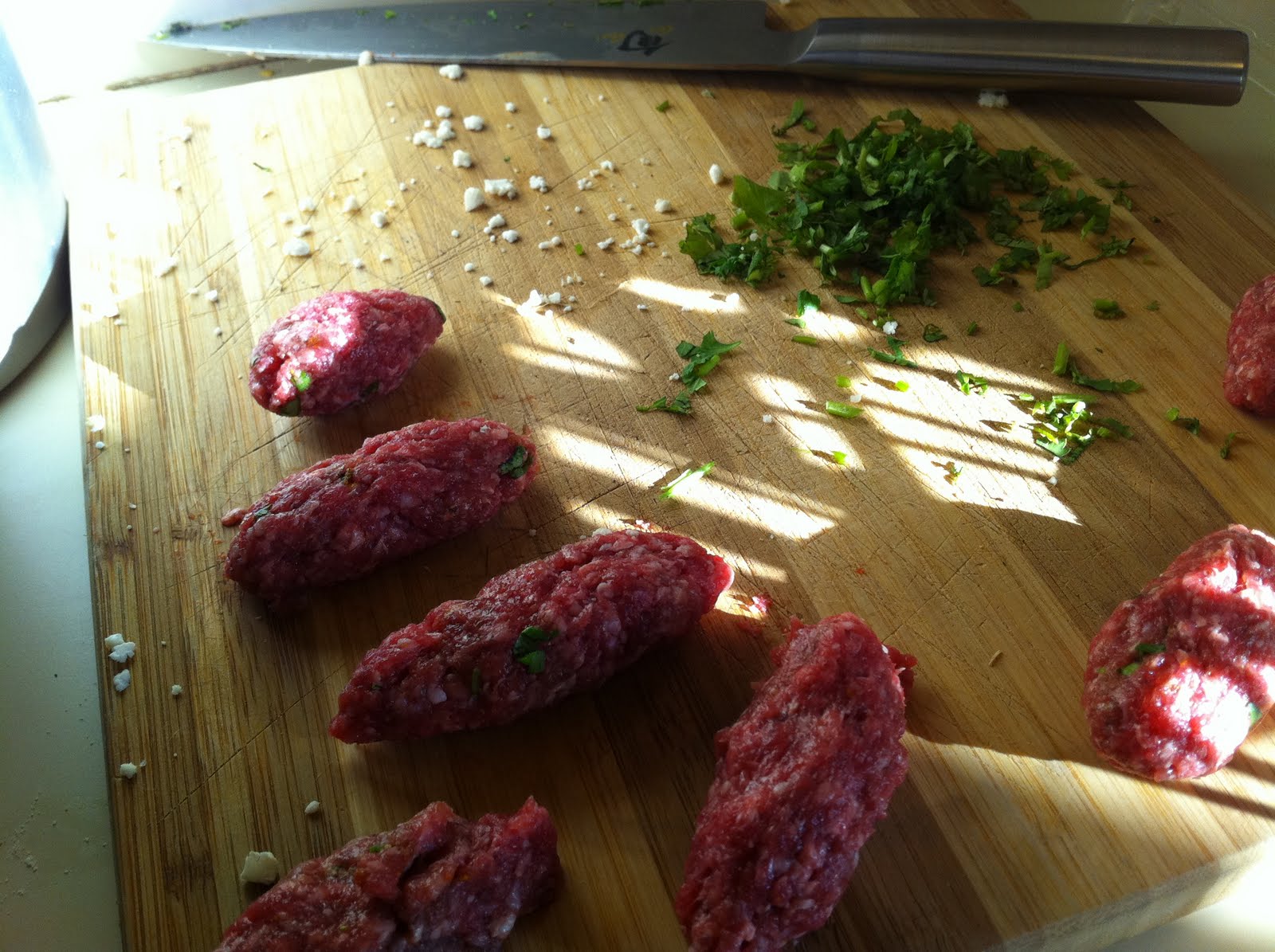
Pomegranate Lamb kebobs/burgers
Sorbet
Shabbat lunch - Out - bring A Bit More apple dessert

All the shots are from a recent jaunt to Wilson Farms in Lexington, MA
Flash back to this week last year
Funny. This week last year I blogged about hummus guacamole - an idea I thought utterly original. On Sunday I biked over to Trader Joe's and found a container of it for sale - rather mainstream now it appears (yes, I bought it - it was spicy and avocado-ey).
Funny. This week last year I blogged about hummus guacamole - an idea I thought utterly original. On Sunday I biked over to Trader Joe's and found a container of it for sale - rather mainstream now it appears (yes, I bought it - it was spicy and avocado-ey).
This post is linked to Real Foood Digest | Rosh Hashana Blog Carnival


 Posts