Sunday, February 20, 2011

Crafty - Parshat Vayakhel


Amy Sedaris may poke fun at crafters in her book Simple Time: Crafting For Poor People, but crafting has some serious history. Last year's post on this week's portion, Parshat Vayakhel, had me commenting about the highly skilled artisans who helped build the Tabernacle. But when I read the portion this year I noticed that there are throngs of crafters who help to get all of the work done. "And all the skilled women spun with their own hands, and brought the goat hair they had spun to the Tabernacle." Some of the crafty Israelite women who had been spinning linen at home volunteer to learn how to spin goat hair and the other material that was to be used to construct the Tabernacle.

This kind of crafting effort reminds me of my mom who not only makes crafts for her own pleasure, but looks for ways she can put her crafts to use for the community. I'm lucky to have many of her beaded necklaces among my jewelry collection, and to have a home made Irish green quilt to snuggle under, but she was often the costume maker for our synagogue plays and the chuppah designer for family friends- finding ways to give back to the community with her two crafty hands.


The project of building the Tabernacle in the dessert required all hands on deck. When Moses asks the nation to contribute the necessary materials the collection piles overflow and he has to request that they stop bringing and start building. When Moses asks them for their skills, they show up. The crafters get to weaving an angel pattern into the cloth paneling, which was secured to the wooden frame of the Tabernacle. The architects build that frame with Acacia wood planks and bars. The planks and bars are overlaid with gold by the artists and melded together. Just as the materials were all connected to form the building, the Israelites come together with their various skills to make their community center a thing of beauty.

My post on this week's portion last year received a comment from my sweet neighbor Marissa, who suggested that I could use some acacia honey (I had been struggling to find a good food connection that week). Acacia wood is one of the many items listed as a Tabernacle building necessity that the Israelites donated. So I'm going to take her up on that suggestion.

I've done a bit of reading up on Acacia wood and Acacia honey. What I've gathered is that the tree is thorny with a reddish bark, thin feathery green leaves and wispy yellow blossoms. While the bark may have a bite, the honey from the blossoms is one of the most mild in flavor and is great to use in recipes where you want some sweetness but don't want it to overwhelm the dish. The honey is very light in color and keeps a more liquid, rather than viscous, consistency that makes it easy to mix with other liquids. You can purchase Acacia honey online, in specialty food shops, and even in some larger grocery chains. There are two honey showcasing recipes that I want to try out this week. One is an ambitious salmon dish with berries, honey and lime and one is a tamer but exotic pine nut honey tart. And if you're as fancy as Marissa you could even serve these dishes on Acacia wood platters.


By the way, there's a new feature on this blog that I've forgotten to tell you all about. You may have noticed the long list of recipes on the right side bar have gone missing - but don't panic- if you click on the recipe index link at the top right of the page you'll see a much more organized list that makes it easier to find a recipe by dish category - salad, fish, meat, dessert etc.

Honey Berry Chipotle Salmon
Adapted from a recipe that appeared in the December 2004 edition of Bon Appetit

1 cup frozen blackberries, thawed
2 tablespoons honey
2 tablespoons vegetable oil
1 teaspoon fresh lime juice
1 tablespoon brown sugar
1 tablespoon ground cumin
2 teaspoons salt
1.5 teaspoons chili powder
4 6- to 8-ounce salmon fillets with skin

Preheat oven to 425 degrees.

Press the berries through a sieve into a bowl and discard seeds. Take 1/4 cup of the pressed berries and put it into another bowl with honey, oil and lime juice. Whisk together for a glaze.

On a plate mix the brown sugar, cumin, salt, and chili. Dredge the salmon into the mixture and place each piece on a baking sheet. Brush with the honey, lime glaze, reserving a bit for a sauce to serve the fish with.

Bake the salmon for 15 minutes and serve warm withe the unused glaze drizzled over the top.


Pine Nut Honey Tart
I found some beautifully photographed pine nut tarts on several websites, and then found one with a pretty simple recipe on food.com

If you don't use Acacia honey, heat the honey over a low flame for a few minutes to make it less viscous and easier to work with.

2 cups flour
1 cup butter, divided
2 tbsp powdered sugar
4 eggs
1/2 cup sugar
2/3 cup Acacia honey
1 lemon
3 cup pine nuts
Salt

Preheat the oven to 350 degrees.

Put the flour and 1/2 cup of butter into a food processor and mix until it looks like bread crumbs. Add the powdered sugar, 1 tbsp of water and 1 egg and pulse until the mixture pulls away from the sides of the food processor bowl.

Roll out the dough and fit it into a 9 inch baking tin. Prick with a fork and chill for 10 minutes. Bake the dough for 10 minutes.

Meanwhile, cream 1/2 cup of butter and 1/2 cup of sugar. Then add in 3 eggs and beat. Add in the honey. Add the zest and juice of the lemon to the mixture as well as the pine nuts and the salt.

Pour the mixture into the baked dough and bake for an additional 45 minutes. Let it cool and serve warm or at room temperature.

Tuesday, February 15, 2011

Sugar and Spice - Parshat Ki Tisah

Since the cow in the room was addressed last year, we can move on to other topics.

At the beginning of this week's portion, Parshat Ki Tisah, a census with cash flow is taken. Each person gives a half shekel to be counted and their coins go to the upkeep of the Tabernacle.

That money buys some good things - from big objects like copper lavers and washing stations to smaller spice mixtures that were either mixed with oil for anointing or burned each day in the Tabernacle. These spices seem a bit mysterious to us now-a-days, with the only recognizable spice being cinnamon. But if there was cinnamon I bet it was good.

This gets me thinking about how amazing it must have smelled in the Tabernacle each day with bread baking, sacrificial meat grilling, a cinnamon anointing oil being rubbed over all surfaces and incense burning all day long. Yum, sounds like a place I'd like to hang out. You too?


Here are several recipes that if you cook up all at once in your home you may get close to evoking the sweet and savory smells from the Tabernacle. One recipe is for snickerdoodle cookies. I just found out that these were a childhood favorite of my mother's. My parents have a history of mailing long distance goodies to me but I hadn't known the tradition goes further back in our family's legacy. My mom's mother may have been the jello queen, but she had a few dessert recipes for solid items that would ship well. She used to bake snickerdoodle cookies - a plain cookie dough batter flavored with cinnamon and sugar - and mail them in a round tin to her college dorm. Now that's love. So Emma - this one's for you.

Cinnamon Snickerdoodles

6 tbsp butter or buttery sticks, softened
1 cup sugar
1/2 cup brown sugar
2 eggs
2 tsp vanilla
2 and 3/4 cup flour
2 tsp cream of tartar
1 tsp baking soda
1/2 tsp salt
2 tbsp sugar
2 tsp cinnamon

Preheat the oven to 400 degrees.

In the bowl of a mixer cream the butter, sugar, eggs and vanilla. Add in the flour, cream of tartar, baking soda and salt.

Cover a baking sheet with a non stick mat.

Mix the cinnamon and sugar together. Form each cookie by scooping out a tablespoon of dough, rolling it into a ball, dredging it in the cinnamon and sugar so that it is totally covered in the mixture. Then place the coated cookies two inches apart from one another on the non stick mat and flatten a bit with the palm of your hand.

Bake for ten minutes. Remove from oven and cool on a wire rack. Enjoy them or pack them up to ship to one of your favorite people'!

Herbed Polenta with Crispy Corned Beef
Sam loved this dish when I made it this week and said "you've got to put it on the blog." You can thank him when you've enjoyed your last spoonful of the dish.

2.5 cups water

½ cup ground corn meal

½ tsp salt

2 pinches pepper

2 leaves each of fresh or dried sage leaves, thyme, rosemary, and oregano

1 lb of corned beef slices

Simmer water in a medium pot. Whisk in the ground corn meal and dissolve. Let the cornmeal and water bubble for 20 minutes over a low flame, continually stirring with a wooden spoon.

Add in the salt, pepper and herbs and simmer for 5 more minutes. Taste to see if more seasoning is needed.

Heat the meat under the broiler for 5 minutes until crispy.

Serve the corned beef over the polenta while it is warm and creamy.

Pita or Lavash
Adapted from Jewish Cooking by Marlena Spieler

Lavash is simply a longer, pocketless pita. The pitas in this recipe generally come out pocketless. This is best cooked in a cast iron or a grill pan (or over the grill if you happen to have access to one in the winter). Feel free to cut out the rising time.

4.5 cups of flour
1 packet of yeast (rapid rise)
1 tbsp salt
1 tbsp olive oil
1 cup of water
Optional spices such as fresh garlic and rosemary

Combine the flour, yeast and salt in one bowl. In another large bowl, mix together the oil and water, then stir in half the flour mixture. If you want to add spices, such as the garlic and rosemary I suggested, now is the time. Knead in the rest of the flour and shape into a ball. Cover the bowl with a damp dishtowel and leave in a warm place for 30 minutes to 2 hours (depending on your time frame).

After it has risen, knead the dough for ten minutes. If you have time, cover and let it rise again. If not, divide the dough into 12 pieces for nice round pitas, or fewer for larger longer lavash. Dip your hands in to some flour to keep them from sticking to the dough and flatten each piece with a rolling pin or your hands. Try to keep the pita ½ an inch thick. Keep the dough that you aren’t working with covered.

Heat a cast iron skillet over medium high heat. Wait for it to get smoking hot and then add one of the pitas and cook for 20 seconds (cook the lavash for slightly longer). Turn it over with tongs a cook for 1 minute on the other side (again, longer for lavash).

When large bubbles form on the bread turn it over again and watch as it puffs up. Press down gently with a dishtowel, and then cook for 2-3 more minutes. Remove from the pan and wrap the pita in a dry dishtowel. Repeat with the remaining dough, adding the finished pitas to the stack in the dry dishtowel.

Serve hot and moist!

Wednesday, February 2, 2011

Not So Urban Outfitters - Parshat Tetzaveh


"What should I wear?" I repeatedly moaned to my mother as a kid - hanging from my closet door in Sarah Bernhardt-like despair. Now this question gets aimed in Sam's direction, and he, like my mom, has learned that I'd much rather complain than actually hear their advice (some how they always suggest the thing in my closet I'm hating most at the moment). I often wished I had a uniform like those of prep school students. Perhaps I should have yearned for the uniforms of the Jewish high priests that are described in this week's portion, Parshat Tetzaveh - they're quite a bit snazzier than any school uniform I've ever seen.


In the portion, Aron and his sons are anointed as the first priests for the nation and get some fancy outfits to go along with this new role. The Israelites with skills get recruited to make the garments and are given colorful yarn and linens to get the job done. The priests' main robes are blue and coordinate with embroidered sashes, pantaloons and head turbans, woven in purple and red.


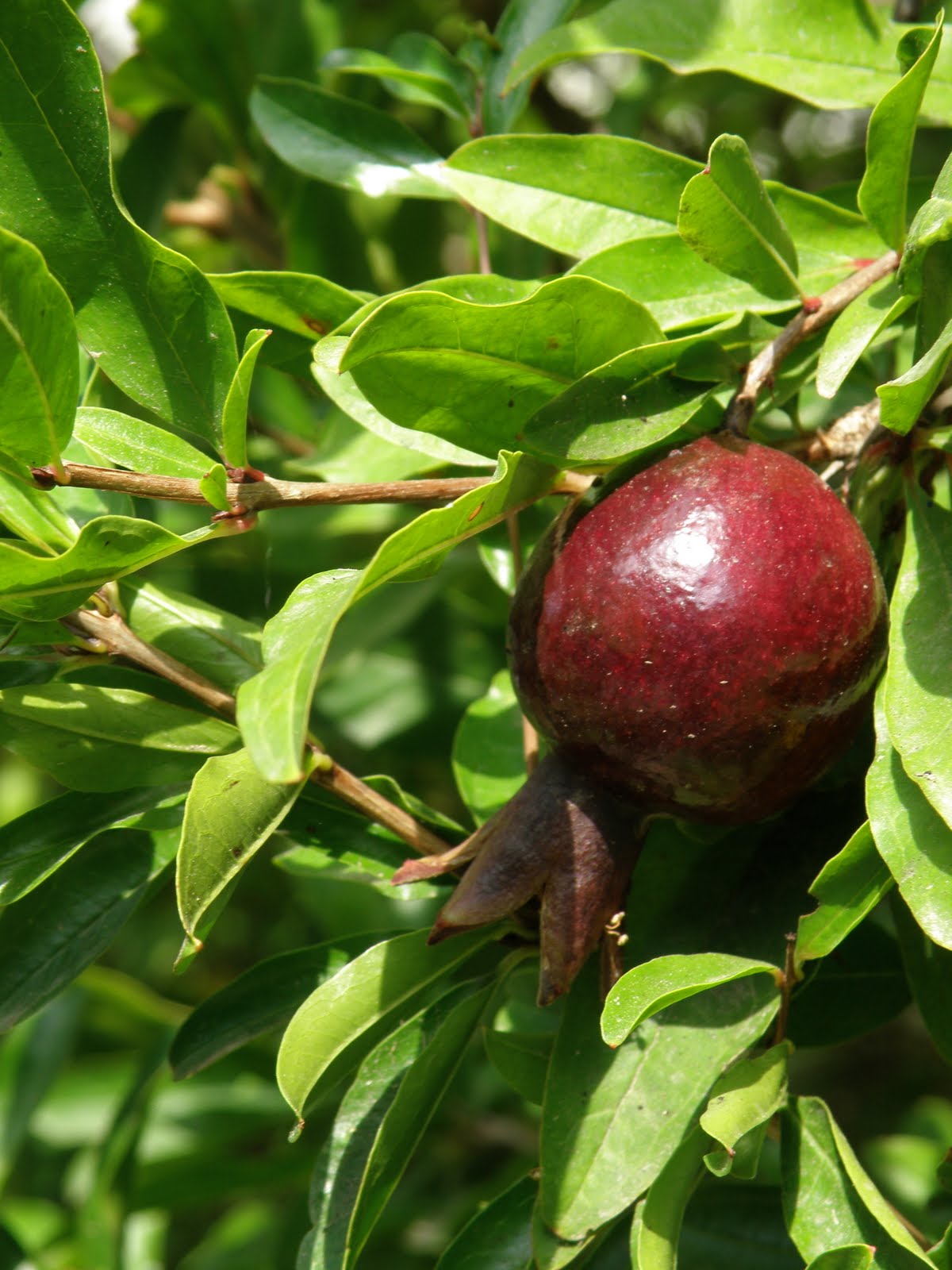
The high priest gets a few perks in the wardrobe department- a golden crown and breast plate, and a special robe. His robe designated him as the high priest - its hem was adorned with mini woven pomegranates alternating with golden bells. This clearly took a lot of work to make and not only sounds incredibly artistic, but also enchanting. The red woven pomegranates hung like little jewels and the tiny gold bells would clack against each other as he moved so that everyone could hear when the high priest was approaching. The priests certainly didn't have to wonder what they were going to wear to work.


Playing with the pomegranate detail of the high priests' robe I've got a great pomegranate chicken recipe to share. Just when I was bemoaning the loss of my meat blog and the free meat that went along with it I scored another meat blog gig - this time for chicken with Grow and Behold. This young company sells pasture raised kosher chicken, which they'll be sending me in return for two blog posts a month that I'll contribute to their chicken blog. I've already eaten some of the chicken and it is delicious. You could get the chicken for this recipe from them if you're so inclined. To sweeten the deal all Double Portion readers get a discount on Grown and Behold orders - just enter the code "DBLP5" for 5% off an order over $50 and "DBLP10" for 10% off over $100. I'll keep this info posted on the side bar here as a reminder.


In case you really want to do up the pomegranate theme this week, here are some other pomegranate recipes that have appeared in Double Portion
Pomegranate Citrus Salad
Pomegranate Pizza (meat)
Pomegranate Margarita


Pomegranate Chicken
I learned this chicken recipe at a class that Lauren Klatsky taught.

1 cup pomegranate juice
4 boneless chicken breast cutlets
1/4 cup flour
Salt and pepper
1.5 tbsp olive oil
1 shallot
1/2 cup of vegetable broth, chicken broth or water
3 tbsp basil or cilantro, chopped

Pour the pomegranate juice into a small sauce pan and simmer over a medium flame until it has reduced to 1/4 cup.

Place flour on a plate and mix in a pinch of salt and pepper. Coat the chicken breasts in the seasoned flour.

Heat a tbsp of olive oil in a large skillet over medium heat. Brown the chicken on both sides and remove from the skillet.

Reduce the heat to low and add the remaining half tbsp of olive oil. Mince the shallot and add to the pan to cook for 2 minutes until soft. Add the broth or water and simmer. Scrape the bottom of the pan to loosen any stuck bits. Add the reduced pomegranate juice and stir.

Cook the chicken in the skillet for 8 minutes on one side. Flip the chicken and cook another 7 minutes on the other side.

Place the chicken on a plate and add chopped basil to the sauce. Continue to simmer for 5 minutes uncovered and then pour over the chicken and serve.

Color Splash - Parshat Terumah


Reading this week's portion, Parshat Terumah, on a gray, cold, sleety day in New England, I'm drawn to the vibrant colors in the narrative. God asks the nation to build a home for his ark, a tabernacle where they can worship and where God will rest. And he wants it decorated with crimson curtains, purple linens, acacia wood furniture, lapis lazulai stone and lots of gold.

Sam and I have recently been doing some home decorating. After living amongst hand-me-down couches and sagging Ikea bookcases, we've been slowly acquiring sturdier pieces at bargain prices to replace them. We planned a weekend getaway around the Crate and Barrel Maine outlet (our Crate and Barrel crush developed while wedding registry building and has endured - to keep it affordable we stalk their pieces on Craig's List and at outlets) and are now nesting in our new living room set up. So I can understand God's desire to surround Himself with rich colors and quality materials.


One thing that needs replacing after this make over are our curtains. The fabulous Merimekko fabric, which we bought at a Crate and Barrel close out and had my mother sew into curtains for us, is too dark next to the new pieces. While we search for a replacement I am trying to picture the curtains that were made for the tabernacle. They're not like our curtains, which drape to the floor, suspended by a bar, accenting the sides of our large windows. The tabernacle curtains were more like thick room separators. And ours are striped, not angel clad.


"Make these of fine twisted linen, of blue, purple, crimson yarns, with a design of cherubim (angels) worked into it." The tabernacle curtains are used in three places - stretched around the outer-beam structure to form the building's walls, hung as an inner wall to partition between the area designated as the Holy and the Holy of Holies, and draped at the tabernacle entrance, serving as a blue, purple and crimson welcome screen.

The recurring spalshes of color - blue, purple and crimson - are not only all over the text but have also been all over my kitchen this week. There was the second iteration of a creamy tomato red soup which I've been trying to nail after receiving the recipe in bulk proportions from a restaurant. There was unseasonal blueberry pie baked at the request of a birthday girl (I'll try not to blame the purple confection on Batya as she gave me an excuse to make one of my favorite and easiest desserts in my repertoire). And finally, to comfort us amidst this cold there was an eggplant, mozzarella and tomato creation. I hope you'll enjoy some of them yourself.


Tomato Bisque

2 cans, 1 lb 12 oz each, canned whole peeled plum tomatoes with basil
2 tsp salt
1/2 tbsp pepper
Red wine vinegar
1/2 tbsp sugar
2 tbsp olive oil
1 onion
1 stalk of celery
1 carrot
2 cloves of garlic
1/2 tbsp tomato paste
1 sprig of thyme
1 sprig of oregano
1 bay leaf
1/3 cup of wine
8 oz buttermilk
8 oz milk

In a large bowl crush the tomatoes by hand and remove the dark basil leaves. Add salt, pepper, vinegar and sugar.

Chop onion, celery and carrot. Set a large pot over a medium high flame with the olive oil and add the chopped vegetables to the pot along with a pinch of salt and pepper. Crush the garlic cloves into the pot. Cook until the onion softens - 5-10 minutes. Add the tomato paste, thyme and oregano and stir.

Pour the wine into the pot and scrape any bits that have stuck to the pot and stir. When the wine has cooked down a bit add the butter milk, crushed tomatoes, bay leaf and 1/2 of a can of water. Reduce the heat to low and simmer for 20 minutes.

Turn off the heat and use an immersion blender to smooth out the texture. Serve warm.

Eggplant Roulade

1 eggplant
4 ounces mozzarella cheese
1/4 cup of herbed panko crumbs
1/3 cup zinfandel wine
2 tbsp tomato paste
1 large shallot, diced
1 garlic clove, crushed
1 sprig of fresh rosemary
2 sprigs of fresh thyme
1 tsp dried oregano
3 tbsp olive oil, divided
Salt and pepper

Preheat the oven to 400 degrees.

Slice the eggplant into 1/2 inch thick rounds. Salt both sides of each slice and lay them in a colander for 5 minutes. Rinse them and place on a baking sheet (the salting, soaking and rinsing removes some of the eggplant's bitterness). Drizzle the eggplant slices with olive oil and roast in the oven for 2o minutes. Allow the slices to cool.

In the mean time, heat half the olive oil in a small saucepan over medium high heat. Add crushed garlic and diced shallot and stir. After 2 minutes add the herbs, wine, tomato paste and dried oregano.

Cut the mozarella into long thin rectangular pieces that will fit into each piece of eggplant when you roll the eggplant slice around it. Proceed to do just that- fold/roll a cooked and cooled slice of eggplant around the cut cheese and place it into a baking dish. Do this with each eggplant slice and cheese rectangle, arranging the rolled eggplant and cheese in the baking dish.

Spoon the tomato sauce over the eggplant and cheese. Sprinkle with panko crumbs and bake for 15 minutes, until the cheese has melted.

Blueberry Cobbler
This is a Real Simple recipe that I go to every time I serve a dairy meal on Shabbat. I used Meyer lemons this time which were divine in the cobbler crust. I use a milk and buttermilk combination as a replacement for heavy cream when I'm feeling a bit heavy myself, but if you'd like to indulge go ahead and omit the milk for 2 cups of heavy cream.

2 pints of blueberries
1/3 a cup and 1/4 cup of granulated sugar
1.5 cups and 1 tbsp flour
2 tsp baking powder
1/4 tsp salt
1 tsp grated lemon zest
5 tbsp butter, cut into pieces
1.5 cups of butter milk
1/2 cup of milk

Heat the oven to 375 degrees.

Place the washed blueberries into a 1.5 quart baking dish and toss with 1/3 cup of sugar and 1 tbsp flour.

In a large bowl, mix the flour, baking powder, salt and lemon zest. Add the butter and blend with your fingers by pinching it into the flour mixture until you get a gravely mixture. Add in the milks and mix.

Drop this mixture by heaping spoonfuls over the blueberries, doing a pretty good job to cover most of the surface. Bake for 35 minutes until the top is golden.

Pairs great with vanilla ice cream. If you're lucky enough to have a neighbor who makes honey ice cream you must eat it with that. Thanks Jess for allowing us to discover this winning combination.


Thursday, January 27, 2011

Ode to a Meat Blog - Parshat Mishpatim


After Moses shares a laundry list of rules with the nation in this weeks portion, Parshat Mishpatim, the nation famously responds - "All the things that God has commanded we will do!" This attitude doesn't last for too long during their trek in the desert, but for the time being the nation, Moses and God are in a really good place in their relationship. In celebration of this Moses builds an altar at the foot of the Mountain where he just got the commandments out of 12 pillars to represent each tribe. Appointed spokespeople for the nation come forward to offer up bulls as sacrifices of well being to God.


Things are looking normal when Moses takes the blood from the animals and dashes it against the side of the alter. But after he reads the covenant out loud and the nation again chimes in faithfully " All the things that God has commanded we will do" Moses starts to sprinkle the blood over the nation saying "this is the blood of the covenant that God makes with you regarding these commandments." Not sure anyone saw that coming.


But let's get back to those bulls. It was this time last year that I was exuberantly writing about Oxtail soup in connection to the bull's cousin mentioned earlier in the portion. This fateful blog entry led to a blissful state of free meat for our family from Golden West Glatt - I would blog for them twice a month with recipes that I tried out on the meat that they sent me. I am sad to say that the free meat has stopped, as has all meat from the Golden West site. There are two posts that I wrote for them that never got published so I thought I would share one of them here with you this week. I'll save the other for another week. Enjoy the meat.


Whiskey Molasses Ribs

Both my father and my husband are big whiskey fans, and along the way I've developed a taste for the smooth drink as well. There isn't one brand that I'm a devotee of but I have learned an important lesson about nomenclature when it comes to this drink. The lesson came on a family trip to Ireland in the summer of 2001. We were in a small pub in Ballina (pronounced bah-lyn-ah), a sweet town along the River Moy, about four hours drive from where my mother's family hails from. We were in the middle of our four week adventure, driving all over the southern part of the country to visit family and sites. The printed maps we had were no help in navigating our tiny car along the swerving, hedgerow-lined streets since none of the roads were clearly marked (The Irish immigrants to Boston must have felt right at home with our equally absent street signs). At the end of that particular day my dad wanted more than the Guinness on tap to wind down and approached the bar tender with a request for a nice glass of Scotch. The pleasant but firm response he got was "Well, you be in Ireland now and we call it whiskey here." Right, he didn't make that mistake again. Calling whiskey Scotch is something you can get away with in Scotland and America, but not in Ireland. However, the mistake had the fortuitous outcome of turning my dad on to a whole new genre of Irish whiskeys.

Aside from enjoying sipping whiskey out of a shot glass, I also enjoy adding it to dishes in the kitchen. It enhances certain pies, and truly shines in meat sauces. When I announced the name of the dish I was serving to my guests several weekends ago people got down right giddy. The Whiskey Molasses ribs live up to their name in their sweet and deeply savory taste. I had actually tasted two right after I removed them from the broiler on erev Shabbat and got very close to changing my mind about sharing them with my guests. Gobbling down these Golden West short ribs with Sam before anyone arrived suddenly seemed like a great idea. The truth is this is my third recipe for ribs that I'm sharing with you here at Golden West Glatt (blueberry glazed and Korean style) and I still can't get enough of this tender and aromatic crispy beef, no matter how I dress them. Whether you take the time to craft an intricate sauce, whip up a simple overnight marinade or just brush them with your favorite BBQ sauce, the results are sure to make you, and anyone you end up sharing them with feel special (not to mention very sad once there aren't anymore left to eat). The Whiskey Molasses recipe is somewhere in between an intricate marinade-sauce combo and a bottled BBQ sauce. It's a recipe that has some Southern hallmarks (including southern Ireland) since it involves whiskey and molasses which come together in a thick sauce that looks like a dark ketchup. But is also has a subtle nod to every New Englander, there's beer in the marinade that gets boiled and cooled for the ribs to soak in overnight.

After eating this dish you won't have much use for a napkin, as you'll want to lick your fingers to hang onto those last bits of flavorful sauce and crispy flecks of charred goodness. The notes of thyme and balsamic vinegar add an interesting complexity that will leave those who weren't in the kitchen with you wondering about how you got those savory notes into a sauce sweet with molasses and sugar. The delicate marbling that you find in the raw ribs adds to the rich flavor after they are cooked, as does the bone itself. Be sure to not remove the meat from the bone for your guests - eating it off the bone is not only fun but helps maintain their marrow-ey flavor. These are not cross cut ribs, which are referred to as flanken, they are individual ribs with the meat on the bone and have been sawed down to manageable sized pieces. The ribs come in square packets from Golden West in a variety of sizes, ranging from from five inches tall and three inches thick to two inches by two inches. Many people like to braise ribs like these in a large pot for several hours but I find that after soaking in a marinade over night they do very well with a few minutes under the broiler on each side. Especially when you get a nice brown/black crisp on them. In the recipe I include instructions to leave the ribs in a warm oven for an hour after cooking, but if you can't wait that long I won't blame you.

Whiskey Molasses Ribs

Inspired by a recipe for Bourbon Molasses Ribs by John Malik which appeared in Bon Appetit in 2003

Make the marinade at night:
1.5 cups water
12 oz light beer
1/4 molasses
5 thyme sprigs
1 tbsp salt
1 tbsp sugar
1 bay leaf
1/2 tsp pepper

Bring all ingredients to a boil in a medium pan over a high flame. Cool the liquid and then place the ribs in a glass baking dish and cover with the liquid. Cover and refregerate over night.

Sauce
1/8 cup whiskey
1/8 cup water
2 thyme sprigs
Olive oil
Onion
1/2 cup of balsamic vinegar
1/4 cup of ketchup
1/4 cup molasses
1/2 tsp salt
Pepper

In a medium-sized pot heat the olive oil and then add in the diced onion and stir for 5 minutes until brown. Add in the balsamic vinegar and boil for 2 minutes. Add in the rest of the ingredients, stirring until thickened.

Heat the broiler and remove the ribs from the refrigerator after they have marinated overnight. Discard the marinade.

Place the ribs on the broiler rack and coat the exposed sides with the sauce. Broil for 6 minutes and then flip each rib, coat with more sauce and broil for 6 more minutes. Turn the oven down to 150 degrees and leave them there for an hour or until you're ready to eat.

Wednesday, January 19, 2011

Divided We Stand - Parshat Yitro


Raise your hand if you have too much to do but don't know how to ask for help doing it.

Raise your hand if you get annoyed at waiting in line for people who have too much to do and don't ask people for help doing it.

If you raised your hand for the first thing, you're in the same boat as Moses. If you raised your hand for the second, you're in a boat with the nation of Israel. If you raised your hand for both you may want to look into getting a new boat.

In this week's portion, Parshat Yitro, Moses is trying to handle the task of judging every case that arises amongst the nation by himself. His wise father-in-law Yitro, points out that he should restructure and share the work with others.

"But they all come to me seeking God, they bring me a dispute or they ask me a question and I judge between them or I tell them the applicable rules."

"This system is no good." Says Yitro, "You're wearing yourself out, as well as the nation - you're making them wait around all day to get to you. The task is too much for you - you can't do it alone." Here's his advice: find men among the nation who are trustworthy that you can appoint as chiefs over smaller numbers of the nation. They'll judge most of the cases and bring any big ones that are out of their purview to you. Let them share the burden with you and make your job a little easier.

So Moses takes this good advice and things seriously improve for him and the nation when he implements the divide and conquer strategy.

I've been racking my brain for dishes that have this divide and conquer theme. I once had gazpacho divorciados (two flavors of gazpacho served in one bowl, divided).


But I'm not sure that's what I'm in the mood for this week so I thought I'd turn to you my readers. What could we make that's related to this theme this week?

And should it be served on this kind of plate?

Wednesday, January 12, 2011

In a Bind - Parshat Beshalach


Last year we talked about this being the parsha of the double portion - so if you're in the mood for some challah baking, go revisit it. As a brief challah update - these days I have been taking the time to make an egg wash to glaze the challah (a combo of one yolk and a tsp of water) and then grinding an herbed salt mix over the top before baking. The crunchy savory outside is a great prelude to the lightly sweet and doughy inside.

But this year we're going to talk about dilemmas. Sure we all come up against them in life and in the kitchen - should I leave out some oil to save my waist but sacrifice on taste ... how can I save my batch of oatmeal white chocolate cookies when I discover that we're out of oats ... should I take the time to chisel away at that brown sugar that has gone hard again or just use white sugar in the recipe? We each have our own ways of reaching a decision in these difficult dilemmas, and in this week's portion, Parshat Bishalach, God has to make His own decisions to save the nation from a few dilemmas.

Pharoh has finally let the people go, but God is a bit nervous that if the newly freed nation sees that they have a hard journey ahead they'll do an about face and scramble back to their Egyptian huts. So, God decides to take them on a longer rout, leading them away from warring nations that they might come upon, and taking them through the wilderness instead, to the Sea of Reeds.

While one crisis is averted another pops right up. Don't you hate that? While the Israelites are camping out near the sea Pharoh gets word and his heart starts to stiffen. He misses his slaves so he leads his warriors on chariots after the nation. But it's all part of God's plan to lead the nation to freedom with some pizazz.

As the Israelites start to hear the thundering of Pharoh's army chariots they started to panic. An army on one side of them and water on the other! They cried out to God to solve their dire situation. But it's not really what God wanted to hear - actually, they say exactly what He was trying to avoid earlier. "Did you drag us out here because there weren't enough graves in Egypt? Take us back, we'd rather have the life of a slave than die in the wilderness."

Moses calms them and says - just sit back and watch this great show God has got in store for you to get you out of this bind. And just them Moses receives word to raise his staff in his hand over the water and split the sea, making a dry passageway, an escape route for the nation. They start scurrying between the two walls of water, fleeing the pursuing army, and again they are sandwiched - but this time in a good way. Acting as a buffer between them and the Egyptian army that's still on their tails is a moving pillar of cloud and another of fire. After a lengthy crossing, when the last souls of Israel make it through to the other side of the sea unscathed, God brings the water of the sea crashing over the Egyptian chariots - and Pharoh finally bites the dust. And that certainly wows the nation - for a little while they're in awe of God, true believers.


Permit me a bit of a stretch this week with the food connection (not unlike the many times you've done so before). This is a case where I've made something yummy that I'd love to share with you, and I'm going to try and fit it into the story. My mom recently sent me a slew of cookbooks for my birthday, and this morning, in honor of a snow day, I cooked up a batch of delicious wheat-corn muffins that have a little surprise sandwiched in the middle. Home made jam (but I won't tell if you buy yours from the store).


OK so what's the connection? These sandwich-esque muffins are reminiscent of the times the Israelites find themselves in a sandwich this week - between the sea and the army, between the walls of water and between protective pillars of clouds and fire. The muffins are quite fluffy, airy and cloud like - and if you use a red jam, like my raspberry peach I made over the summer, it's quite fiery looking. Trust me, you'll enjoy the muffins more than this explanation.


Muffin Jelly "Sandwiches"
Adapted from Cooking Light Annual Recipes 2002

There is no cornmeal in the original recipe, but I was really in the mood for a toned down corn muffin and this hit the spot. I filled 6 of the muffins with a sweet raspberry peach jam and 6 with a tart quince jam that I made right after Rosh Hashana. Both went very well with the taste of the muffins.

1 cup white flour
1/2 cup whole wheat flour
1/2 cup yellow corn meal
1/2 tsp salt
1.5 tsp baking powder
1/2 tsp baking soda
1/2 cup brown sugar
1 egg
1 egg white (you can save the other yolk here for glazing your challah)
3 tbsp canola oil
1 cup buttermilk
1 tsp vanilla
1/2 jam or jelly of your choice - feel free to use more than one kind
1 tsp granulated sugar

Heat the oven to 400 degrees.

Mix the flours and corn meal in a large bowl. Add the salt, baking powder and baking soda.

In a separate bowl beat the egg, egg white, and brown sugar. Then add in the buttermilk, vanilla and canola oil.

Add the wet ingredients to the flour mixture and stir until moist - don't over stir.

Let is sit for 5 minutes to fluff up.

Prepare 12 muffin holders (I like to use silicone) on a baking sheet. Spoon 1.5 tbsps into the bottom of each muffin cup. Then add 1 tsp jam to each cup. Finally, top with 1 tbsp of batter, smooth the batter nicely to cover over all the jam.

Sprinkle each muffin with some of the granulated sugar.

Bake for 20 minutes, allow to cool and enjoy.